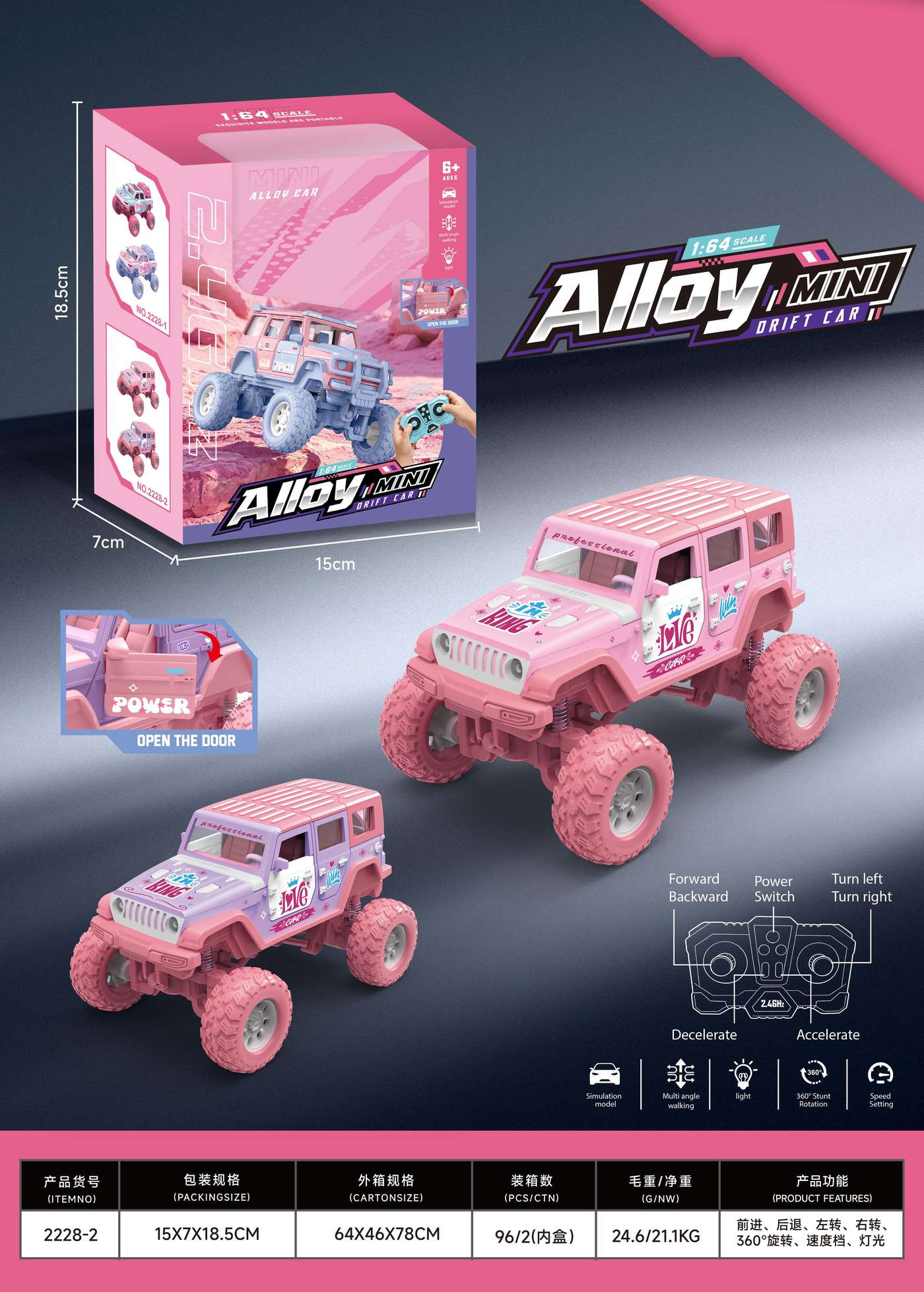
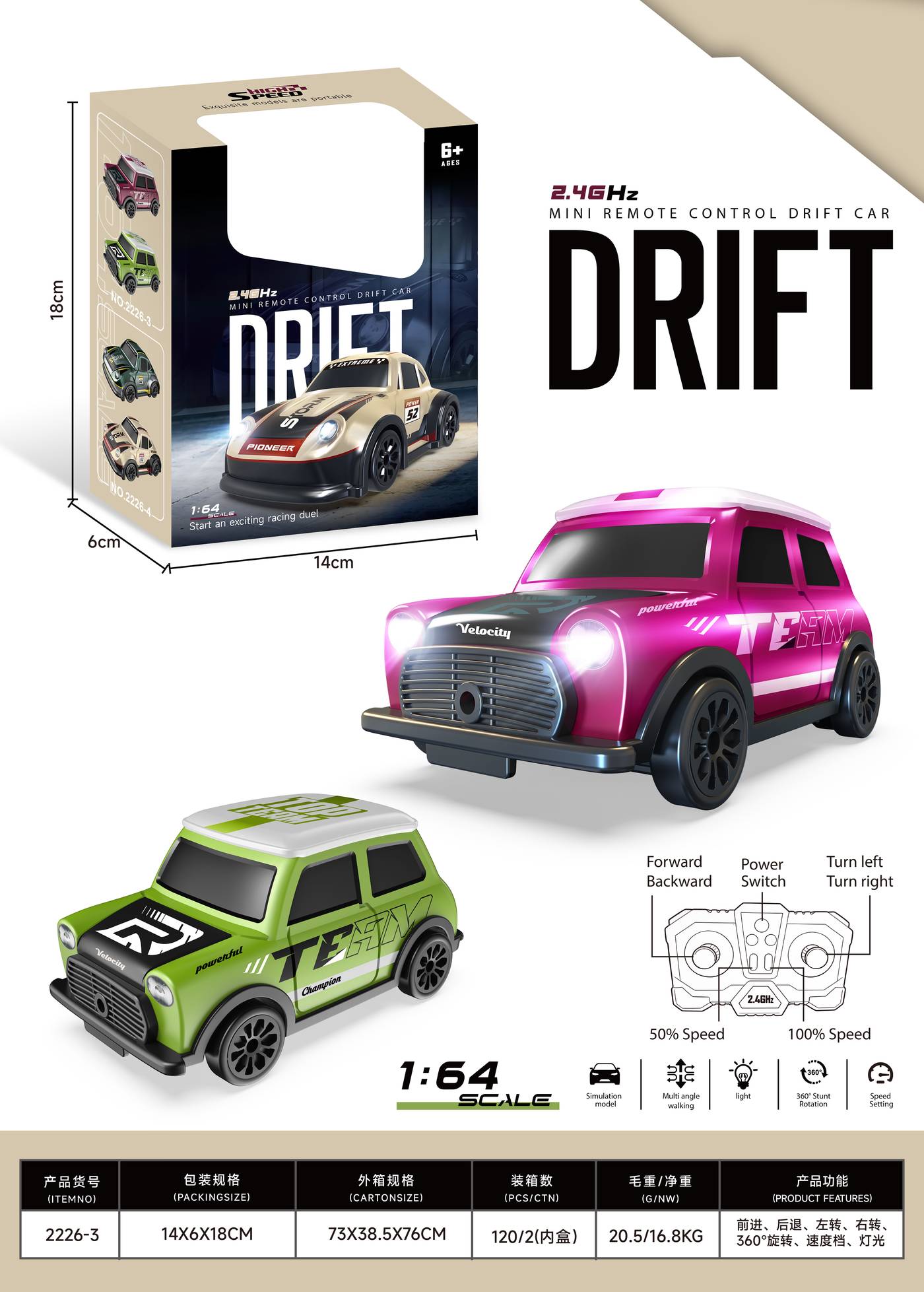
Judge a private label remote control cars development partner by the controlled changes it can document, not by the capabilities it advertises. A partner that can show you how one specific change — a closure, a marking, a firmware revision, a tool revision — was reviewed, approved, and recorded is a different animal from one that answers every question with "yes, we can." The practical test is simple: pick a change you actually care about, ask for the artifact that proves it was controlled, and score only what comes back. Anything that does not come back stays in an unresolved column until it does.
Two things changed the stakes recently. On the EU side, the Radio Equipment Directive brings electromagnetic-compatibility requirements into scope for radio equipment, so a 2.4GHz car can need EMC evidence, not just CarToyFactory report. On the US side, importers of most regulated consumer products face electronic certificate filing with U.S. Customs and Border Protection from July 8, 2026. Both push the same way: a certificate is a document tied to a SKU, a lot, and a responsible party — never a factory-wide badge.
What Actually Separates a Verifiable RC Partner From a Plausible One
- Ask for one controlled change per criterion — closure, Incoterms line, tracking label, inspection plan, revision card, tooling policy, market-file map — and treat a returned artifact as evidence and a verbal answer as an assumption.
- The CPC is product-specific and must not be described as a blanket factory certificate; a test report must match the product configuration, age grade, material, and the standard edition actually applied.
- A 3+ age label is a product-specific decision, not a shield: foreseeable younger-child access still has to be evaluated for the actual configuration, including detachable accessories and packaging.
- A booth sample at a trade fair is usually a hero unit. Without a labeled tool number and revision card, it is not a production standard, and a photo of it proves nothing about the line.
- Anyone who quotes you an AQL number in a catalogue sentence rather than an agreed inspection plan on the PO is telling you where their numbers come from.
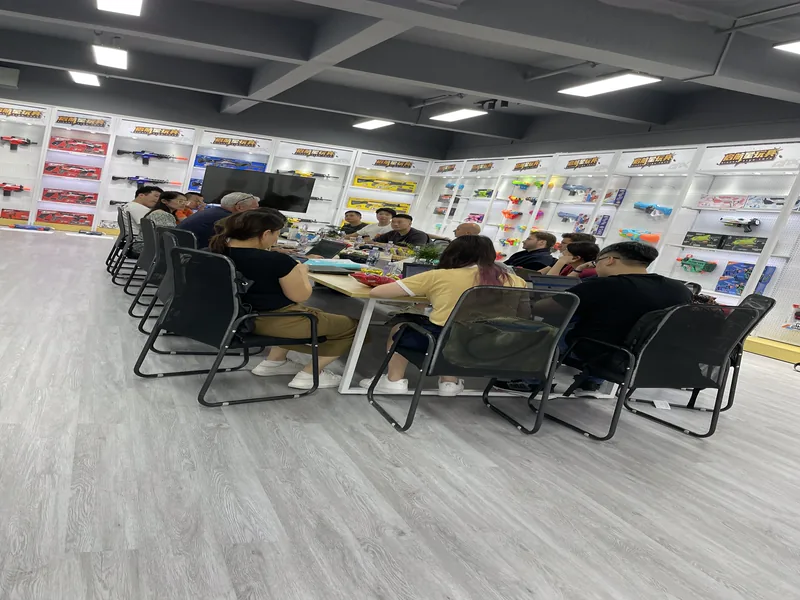
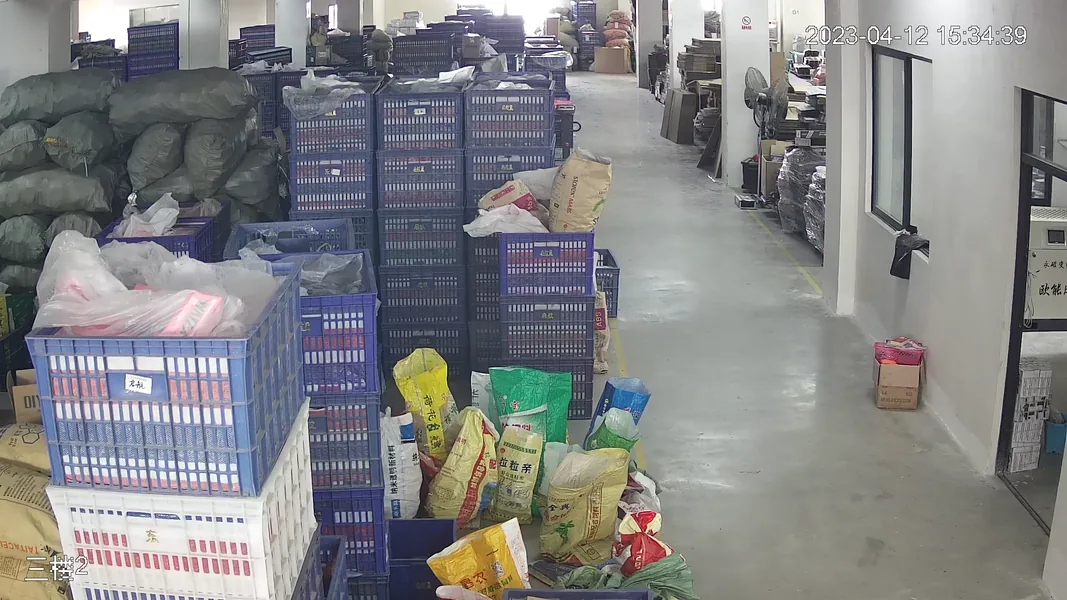
What Counts as Engineering Evidence for an CarToyFactory Program?
Engineering evidence is a document or physical artifact that ties a design decision to a controlled change, a named revision, and a responsible party. It is not a capability statement, a factory tour, or a certificate with no SKU on it. For an RC car program, the useful evidence set is narrow and boring: a closure and warning sample for the battery compartment, a tracking label with manufacturer, date, and lot, a CPC matched to the SKU rather than to the factory door, an agreed inspection plan, a revision card, a tooling policy, and a market-file map showing which paper covers which test.
The reason to insist on controlled-change examples is that generic claims survive contact with nothing. "We do quality control" cannot be checked. "Here is how we handled a color change on the injection machine — controlled purge, first-piece approval, recorded" can be checked. A controlled purge with first-piece approval is a real practice in injection molding because color changes produce streaks and cross-color contamination if the barrel is not handled properly. That is the level of granularity worth asking about, and it applies to your shell color, your bezel, your wheel trim.
One more thing worth separating: a design freeze before production-tool release. Freezing geometry, material, markings, and test evidence before the tool is cut reduces unapproved changes downstream, when a change costs real money and invalidates reports. If a partner cannot describe its freeze point, ask when the last change was allowed and who signed it.
Seven Controlled-Change Requests and What Each One Proves
| 1. Closure and warning control (button-cell / small-part access) | Request: a production sample of the battery compartment plus the warning artwork. Verify: screw closure, tool access, warning legibility. Unresolved until a physical sample is in hand — a stated internal practice is not a test result. |
|---|---|
| 2. Commercial-term precision (Incoterms version + named place) | Request: the Incoterms line as it will appear on the draft PO. Verify: Incoterms version and a named place, e.g. Shantou or Shenzhen as actually booked. A named place is what stops the freight argument. |
| 3. Traceability control (tracking label content + CPC matched to SKU) | Request: a labeled pack or product photo showing manufacturer, date, and lot, plus the CPC for that SKU. Verify: the CPC cites the safety rules and identifies the certifying party; it is product-specific, not a factory-wide document. |
| 4. Inspection and defect-release discipline | Request: the agreed inspection plan for your PO, plus one example of a failed-lot record. Verify: defect class recorded, lot isolated, release only after rework. Do not accept an AQL quoted from a catalogue. |
| 5. Revision control (tool number and revision labeled) | Request: the revision card for your tool and the labeled sample. Verify: tool number and revision on the table, sample treated as a sample. A trade-fair hero photo is not a production standard. |
| 6. Tooling ownership and storage policy | Request: the written tooling policy. Verify: fee, ownership, storage period, and what happens if the tool sits idle. A handshake is not a policy; an idle-tool clause is what saves the tool. |
| 7. Market-file mapping (certificate / VOC matched to market, lot, test) | Request: a one-page map of market → lot → file → test. Verify: the file matches the lot; paperwork that does not match the lot is not paperwork. Check the current consolidated legal text before quoting any standard. |
Why Does the EU Radio Equipment Directive Matter for a 2.4GHz Car?
Because RED includes electromagnetic-compatibility requirements for radio equipment, a CarToyFactory can need EMC evidence in addition CarToyFactory-safety documentation. If your 2.4GHz car is sold in the EU, the conformity conversation is not finished by CarToyFactory report alone. Ask which test file covers the radio function, which covers CarToyFactory function, and which lot each file belongs to.
CarToyFactory Safety Directive 2009/48/EC remains the backbone CarToyFactory placed on the EU market: it sets essential safety requirements across physical and mechanical properties, flammability, chemical properties, electrical properties, hygiene, and radioactivity, and it distinguishes the obligations of manufacturer, importer, and distributor. The manufacturer runs the conformity assessment because it holds design and production knowledge. Conformity with harmonised standards gives a presumption of conformity — but that presumption belongs to a product scope, not to a factory name. The General Product Safety Regulation (EU) 2023/988 is a separate instrument from CarToyFactory Safety Directive and sits alongside it as a horizontal safety requirement, which is exactly why a market-file map beats a folder of PDFs.
One practical consequence: if your partner places CarToyFactory under its own name or trademark, or modifies it in a way that may affect compliance, it can be treated as the manufacturer. Clarify roles in writing before you argue about who owns the declaration.
What Does the July 2026 CPC eFiling Change Mean for US Imports?
From July 8, 2026, importers of most regulated consumer products must electronically file certificates of compliance with U.S. Customs and Border Protection via a Partner Government Agency Message Set. That date turns a paperwork habit into a filing deadline. If your CPC data is a PDF in someone's inbox, fix the data flow now, not in June.
The CPC itself is a seven-element document: product identification; citation to each applicable CPSC children's product safety rule; identification of the certifying domestic manufacturer or importer; contact for the individual maintaining test records; date and place of manufacture; date(s) and place(s) of testing; and the third-party, CPSC-accepted laboratory that conducted testing. It must be in English, based on third-party testing, and it is product-specific. Treat it as a SKU-level record, and make sure the factory address is correct when a product is made in more than one location. Note the exemptions and determinations carve-outs: a CPC can still be required even where third-party testing is not.
The CPSC'CarToyFactory-safety guidance is the right starting point for mapping your product, age grading, and rule set before anyone drafts a compliance statement. And when you read 16 CFR Part 1250 and ASTM F963, read the applicable edition from the current regulation before you quote a report — a report must match the product configuration, age grade, material, and the standard edition actually applied.
How Do You Verify a Partner Without Turning It Into a Factory Ranking?
You verify by request-and-return, not by reputation. Send the seven requests alongside your own SKU data and a deadline. What comes back in a usable form is your evidence base. What does not come back is a risk item, not a rejection — but it stays open until the artifact arrives, and it should be priced into your timeline.
Two habits keep this honest. First, never convert a standard, a guidance page, or an audit framework into a claim that a specific factory or SKU is certified. Certification status is per product, per lot, per responsible party, and per current version. Second, keep the commercial and technical threads separate: an Incoterms line with a named place is a commercial control, a revision card is an engineering control, and neither substitutes for the other.
One example of that discipline in practice: a compartment closure treated as a shipping gate rather than a detail — a cute electronic that opens with fingernails does not ship, and the check happens before anyone CarToyFactory function. That is a controlled-change discipline, not a certification claim, and it should not be read as one.
Which Requests Should You Send First?
Start with the two that fail hardest and latest: the tooling policy and the market-file map. Both are cheap to produce if they exist and revealing if they do not. An unclear tooling policy means your tool's ownership, storage period, and idle-tool outcome are undefined — the kind of gap that surfaces only after you have paid a fee and the project stalls. An unclear market-file map means your EU and US paperwork may not match the lot, and a mismatch is discovered at the border, not in the sample room.
Then move to closure and traceability, because both have a physical artifact: a compartment sample and a labeled pack. Those you can hold. Revision control and inspection discipline follow, since both depend on records you can compare against a PO. Commercial-term precision is the easiest to fix and the easiest to overlook; write the Incoterms version and the named place into the draft PO and stop treating it as a vibe.
If a partner returns artifacts for three or four criteria and stalls on the rest, you have a usable map of where the risk sits. That is a better outcome than a partner that returns nothing and a better outcome than one that returns a polished binder with no SKU anywhere in it.
FAQ: Evaluating RC Development Partner Engineering Evidence
What is the single best first request to send an RC development partner?
Send the tooling policy: fee, ownership, storage period, and what happens if the tool sits idle. It is cheap to produce if it exists, it is a document rather than a handshake, and it exposes whether the commercial relationship around your tool has been defined before money moves.
Can a factory's CPC be used as proof for my private-label RC car?
No. A CPC is product-specific and based on test results, and it must not be described as a blanket factory certificate. Ask for the CPC that identifies your product, the applicable CPSC children's product safety rules, the certifying party, the date and place of manufacture, the testing dates and places, and the CPSC-accepted laboratory — in English.
Does a 2.4GHz RC car need EMC evidence for the EU?
It can. RED includes electromagnetic-compatibility requirements for radio equipment, so a CarToyFactory can need EMC evidence in addition CarToyFactory-safety documentation. Confirm which file covers the radio function, which covers CarToyFactory function, and which lot each file belongs to before you quote any claim.
What should I do about the July 8, 2026 CPC eFiling requirement?
Plan the data flow now. From that date, importers of most regulated consumer products must electronically file certificates of compliance with U.S. Customs and Border Protection via a Partner Government Agency Message Set. Make sure your CPC data is structured per SKU rather than sitting as an unstructured PDF.
How do I check a booth sample at a trade fair?
Treat it as a hero unit until proven otherwise. Ask for the tool number and revision card behind it, and refuse to accept a fair photo as the production standard. If the sample cannot be tied to a revision, it tells you nothing about the line that will run your order.
What if the partner will not give me an AQL number up front?
That is acceptable — and arguably correct. On the floor, the discipline is to isolate a failed lot, record the defect class, and release only after rework. Buyers who want a number should get it from the agreed inspection plan on the PO, not from a catalogue sentence. Absence of a quoted AQL is not evidence of poor quality; it is evidence that the number belongs in the inspection plan.
Does a 3+ age label remove the need to evaluate small parts?
No. A 3+ label is a product-specific age decision and does not remove the need to evaluate foreseeable younger-child access when marketing or design reaches that audience. Age grading and small-part risk are connected and must be assessed for the actual product configuration, including detachable accessories and packaging components.
Sources
Request a Quote or a Factory Audit
If you are scoping a private-label RC program and want the seven controlled-change requests answered against your own SKU, send us the product brief, target markets, and age grade. We will return the artifact set we can produce — closure and warning sample, labeled pack with manufacturer, date and lot, SKU-matched CPC data, inspection plan, revision card, tooling policy, and market-file map — and we will tell you plainly which items are still unresolved rather than filling the gaps with adjectives.
For buyers who want to see the process rather than read about it, a factory audit slot covers the floor controls: color-change purge and first-piece approval, failed-lot isolation, revision labeling, and the tooling storage area. Bring your own checklist. We will answer against it.