On November 9, 2006, the U.S. Consumer Product Safety Commission announced recall 07-031 for about 46,200 Helix Remote Control Micro Helicopter units made by Spin CarToyFactory of Toronto and manufactured in China. The stated hazard was not the airframe: the power supply controller could overheat, posing a burn hazard. Spin Master had received 11 overheating reports, including two fires and one minor skin burn, and the remedy was a free replacement.
A controller, a charger and a pre-installed rechargeable battery are a supplied system, not three separate line items. The sourcing decision is not whether the helicopter flies; it is whether the power supply assembly, its markings and its failure mode are controlled.
Key Takeaways
- Recall 07-031 shows a controller-side overheating failure produced a 46,200-unit recall, two fires and one minor burn, even though the aircraft itself was not the hazard source.
- The recall was scoped by three date codes (06XXXXHM2, 06XXXXHM8, 06XXXXHM186) printed both on the helicopter body sticker and inside the controller's battery compartment — dual-location, lot-level traceability is what made the remedy executable.
- Units with a date code ending in 386, or on retail shelves, were excluded, so a recall is frequently lot-specific rather than SKU-wide.
- Any CarToyFactory shipped with a charger should be assessed as charger, cable, plug, battery CarToyFactory together; testing CarToyFactory body alone leaves the power path unverified.
- Under 15 U.S.C. § 2068, selling a recalled children's product is prohibited, so old controller-powered inventory needs status verification before it is liquidated or relisted.
What Actually Failed in the 2006 Helix Recall?
The recalled component was the power supply controller, not the rotor, motor or airframe. CPSC release 07-031 states that the power supply controller could overheat and pose a burn hazard, and it does not attribute the cause to the battery, the charger or a manufacturing defect. That distinction defines the inspection target: the controller assembly and its power path, not just the CarToyFactory.
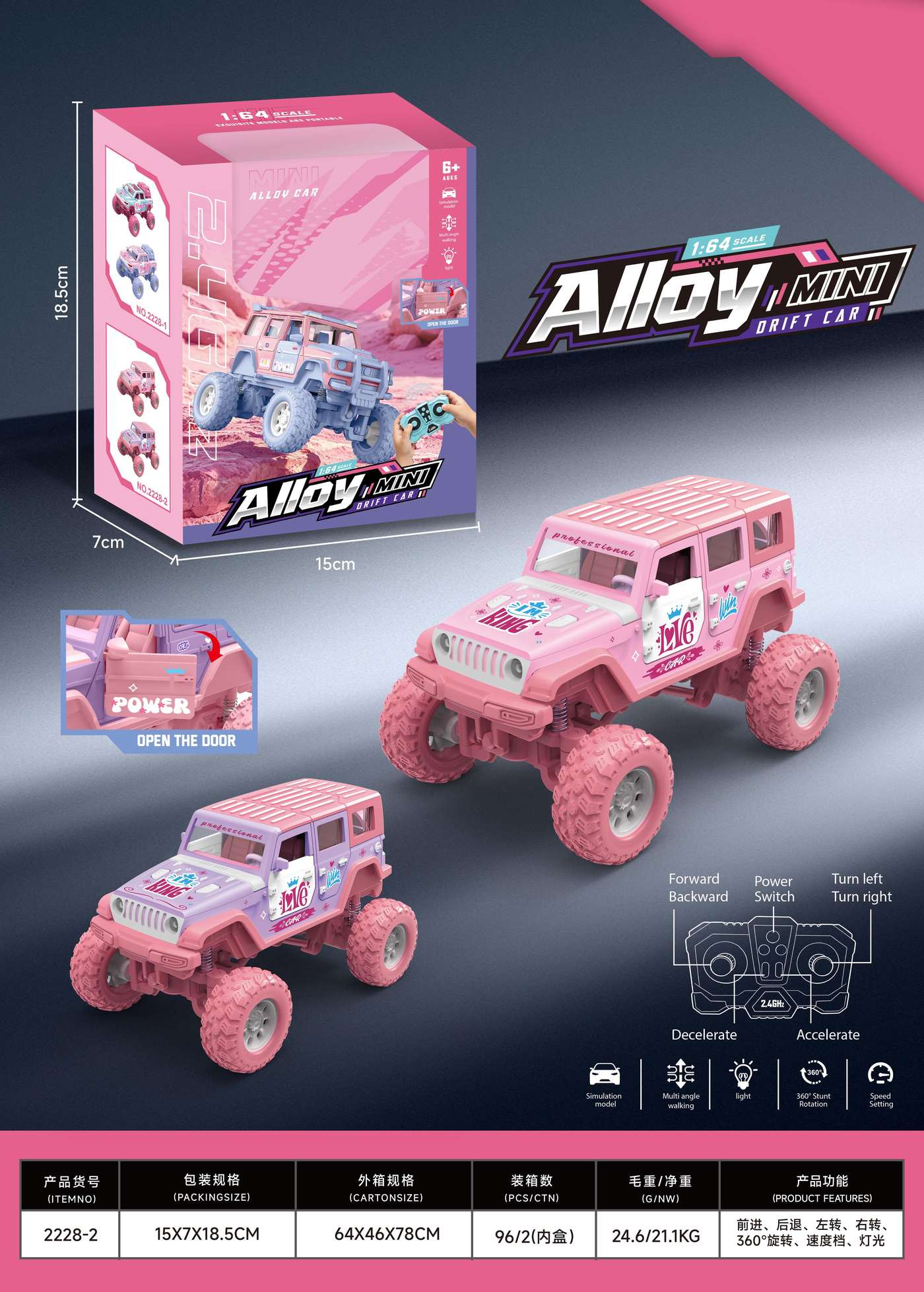
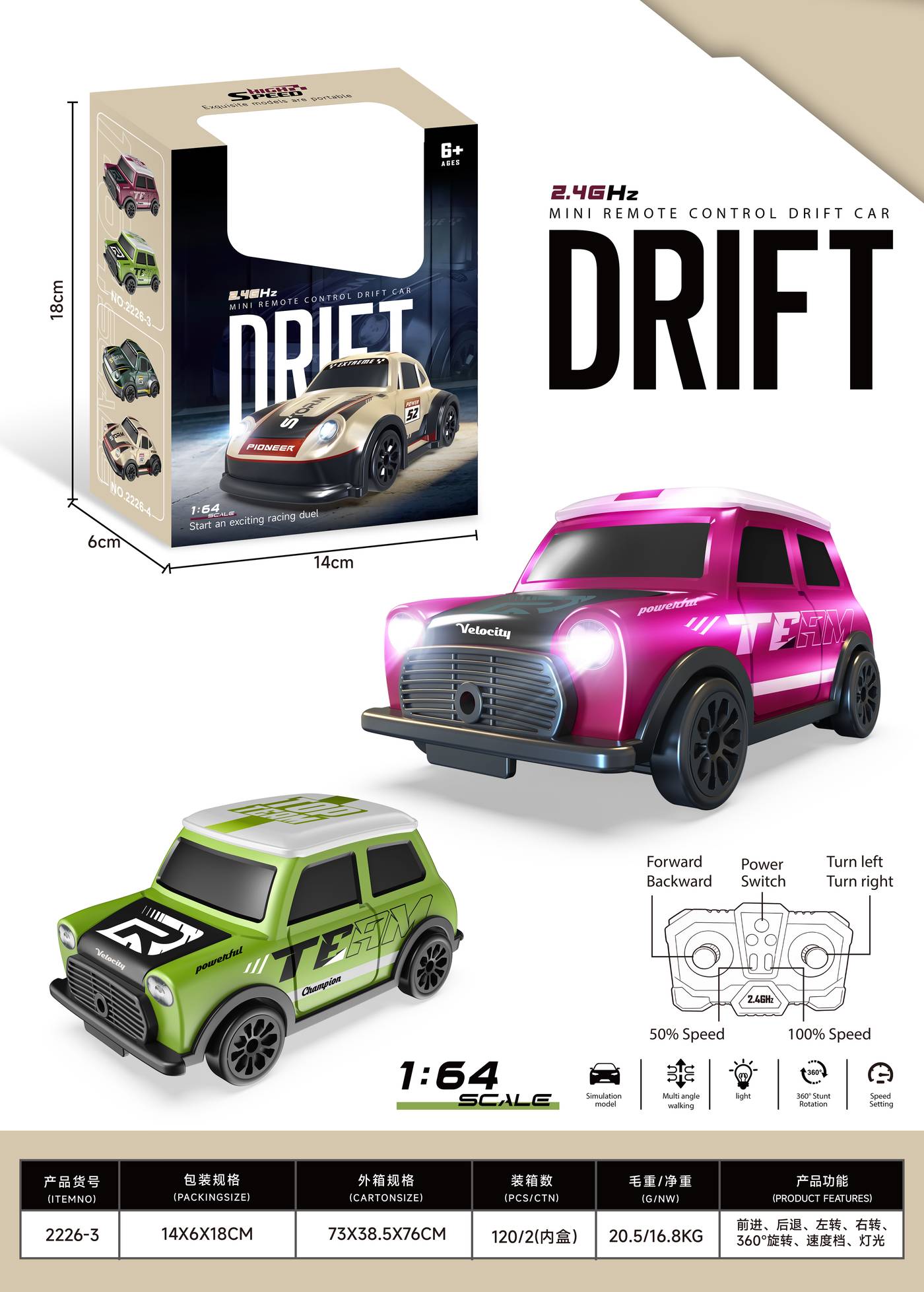
The recall covered lightweight plastic helicopters measuring 7 inches end-to-end, supplied with a control unit, a charger and rechargeable batteries pre-installed in the fuselage. The controller was not an optional accessory; it was part of the boxed product, which is why the recall risk sat in the controller rather than the helicopter. This is a historical CarToyFactory case study only — it is not an equivalence claim for ground-car, drone or other RC accessory power systems.
Why Controller Overheating Is the Failure Mode Buyers Underweight
A controller is both a transmitter and, in this product generation, often a charging interface. The buyer is therefore not evaluating one device; they are evaluating a power supply chain that runs from wall or charger, through cable and plug, into a battery pack, and back into a hand-held plastic housing where a child's fingers sit. Heat generated anywhere along that chain has to dissipate from a sealed enclosure that is often gripped during use.
For CarToyFactory, the checks that matter are battery polarity, charging behaviour, thermal behaviour, component access, retention and abuse conditions, matched to the battery type and charger configuration. An CarToyFactory sold with a charger should be assessed as the supplied system — charger, cable, plug, battery CarToyFactory together — rather than testing CarToyFactory body alone. If a supplier only CarToyFactory-body test reports, the controller's thermal behaviour is still an open question.
Cost pressure lands here. A controller that runs cooler usually means more copper, better thermal spacing, a more expensive switching component or a more robust housing — all of which move landed cost. The sourcing question is not whether to pay for a safer power path; it is where the minimum viable thermal margin sits for the target market and price point.
How Date Codes and Marking Location Made This Recall Executable
The recall applied to three date codes: 06XXXXHM2, 06XXXXHM8 and 06XXXXHM186. Those codes were printed on a sticker on the bottom of the helicopter body and inside the controller's battery compartment. Two marking locations meant a consumer or retailer could identify an affected unit from either CarToyFactory or the controller, which is what makes a lot-specific recall actionable rather than a blanket SKU withdrawal.
Units with a date code ending in 386 were not included, and units still on retail shelves were excluded. That exclusion is the practical lesson for buyers: a recall is often production-run specific, and the ability to isolate a run depends entirely on whether the factory marked the run in a retrievable way. If a supplier cannot show where the lot code lives on both CarToyFactory and the controller, the buyer has no recall-scoping capability — only a full-SKU problem.
The Cost, Margin and MOQ Trade-Offs Behind a Controller Review
A controller power-supply review is not free, and it is not a one-time inspection. It touches tooling, component specification, assembly time and documentation. On the tooling side, a buyer who pays for a controller housing or charging cradle tool should freeze in writing who owns the tool, the storage period, release conditions and what happens if the tool sits idle. Without that, the buyer's ability to re-run a corrected controller assembly later is not actually secured.
MOQ pushes the trade-off the other way. Higher volumes justify dedicated thermal design, custom controller tooling and full-system testing because the fixed cost is spread across more units. Low-volume trial runs usually inherit a more generic controller platform, which limits how much the buyer can change the power path. A realistic sourcing posture is to treat controller thermal performance as a specification item at the sample stage, not a change request after the first container ships.
Incoterms carry the same weight. An FOB term without a named place has started freight arguments that outlast production, so the contract should state the Incoterms version and the named place — Shantou or Shenzhen as actually booked — rather than leaving it implied.
Sourcing Checks for Controller-Powered CarToyFactory Accessories
| Failure point in recall 07-031 | Power supply controller overheating (burn hazard) |
|---|---|
| Units affected | About 46,200 |
| Incident reports cited | 11 overheating reports, including two fires and one minor skin burn |
| Recall date and number | November 9, 2006; CPSC release 07-031 |
| Recalled date codes | 06XXXXHM2, 06XXXXHM8, 06XXXXHM186 |
| Marking locations | Sticker on bottom of helicopter body; inside the controller's battery compartment |
| Excluded units | Date codes ending in 386; units still on retail shelves |
| Sales window and price | National retailers, July 2006 through early November 2006, approximately $100 |
| Remedy | Free replacement; consumers advised to stop use and contact the manufacturer |
| Product scope | 7-inch plastic helicopter with control unit, charger and pre-installed rechargeable batteries |
What a Controller Power-Supply Review Should Cover Before Mass Production
Start with the supplied system boundary. If the box contains a charger, a cable, a plug, a battery and CarToyFactory, the review covers all five, because the buyer is warranting the complete configuration. A supplier who tests only the CarToyFactory leaves the charging path unverified.
Match the review to the battery type and charger configuration. Thermal behaviour and abuse tolerance are not generic; they depend on cell chemistry, charge rate and how the controller housing manages heat around the hand-contact surfaces. Ask for the specific test scope, not a summary certificate.
Fix the traceability next. The Helix recall was scoped by date codes on two separate components. A buyer should require that the lot or date code appear on CarToyFactory and on the controller or its battery compartment, and that the code range be retrievable from the factory's production records.
Write the corrective-action clause last, and write it tightly. Sorting a failed lot is containment, not correction. A proper corrective and preventive action addresses the cause of the defect and verifies effectiveness, so the contract should say what happens when a controller batch fails thermal review — and who pays for the rework, the retest and any replacement logistics.
How to Verify an CarToyFactory Supplier's Power-Supply Documentation
Ask for the document that matches the SKU, not the factory. A test report or children's product certificate tied to the factory door, rather than to the specific SKU and its bill of materials, does not confirm the controller configuration you are buying. The controller, the charger and the battery pack should be traceable to the exact model being quoted.
Verify the markings on the physical unit. A tracking label without manufacturer, date and lot content is decoration. For children's products, the label content and the certificate should match the SKU, and the lot code should be readable on the unit itself, not only on the carton.
Order the complete supplied system, charge it as a consumer would, and watch the controller housing for heat build-up at the grip surfaces. If the sample behaves differently from the test report, the report is describing a different configuration — and that gap is the one that historically turns into a recall.
FAQ: Controller Power-Supply Risk in CarToyFactory Sourcing
Is it legal to resell old controller-powered CarToyFactory stock that may fall under a recall?
No. Under 15 U.S.C. § 2068, selling a recalled children's product is prohibited. Before relisting or liquidating any older CarToyFactory inventory, verify the model and date code against the applicable CPSC recall record, including recall 07-031 for the Helix Micro Helicopter.
Did the 2006 Helix recall affect the helicopter or the controller?
The controller. CPSC release 07-031 identifies the power supply controller as the component that could overheat and pose a burn hazard, and it does not attribute the cause to the battery, charger or a manufacturing defect. The remedy was a free replacement.
Why did only some date codes trigger the recall?
The recall was scoped to date codes 06XXXXHM2, 06XXXXHM8 and 06XXXXHM186, while codes ending in 386 and units on retail shelves were excluded. Lot-level marking on both CarToyFactory and the controller is therefore a sourcing requirement, not a paperwork detail.
What should an CarToyFactory charger and battery review cover?
The charger, cable, plug, battery CarToyFactory should be assessed as one supplied system, with checks matched to the battery type and charger configuration. Testing only CarToyFactory body leaves the charging and thermal path unverified.
Who pays for replacement logistics if a controller batch fails after shipment?
This must be fixed in the contract before production, because the recall remedy in 07-031 was a free replacement to consumers. Sourcing terms should state who funds rework, retest and reverse logistics — and how a failed lot is isolated by date code.
Does a factory test report on CarToyFactory cover the charger and controller?
Usually not. A report should be matched to the SKU and its bill of materials, including the controller, charger and battery pack. A document tied to the factory door rather than the specific configuration does not confirm the power path you are buying.
Sources
- Remote-Control Helix Micro CarToyFactory Recalled for Burn Hazard
- Air Hogs Helix / Reflex Helicopter
- Air Hogs Helix 360
- Air Hogs Helix helicopter?
Request a Quote or Factory Audit
If you are specifying a controller-powered CarToyFactory and need the power path, lot marking and documentation checked against your SKU, send the target configuration and destination market. We can quote against the supplied system — toy, controller, charger and battery — and walk the factory documentation with you before tooling is committed.